Kajolrekha: A 400-Year-Old Folk Tale Starring Iresh Zaker
Some films arrive quietly and leave loudly. Kajolrekha is one of them.
Released in 2024, this Bangladeshi musical period drama did not chase trends or borrow from familiar playbooks. It reached back four centuries, pulled out a folk ballad from the heart of Mymensingh, and asked its cast to inhabit a world most modern audiences have only ever encountered in childhood stories.
That kind of filmmaking demands more than technique. It demands surrender to the material.
Iresh Zaker surrendered. And the result is one of the more quietly compelling performances in recent Bangladeshi cinema.
At-a-Glance
- Title: Kajolrekha (কাজলরেখা)
- Type: Feature Film
- Release Year: 2024
- Genre: Musical, Period Drama, Fantasy
- Director: Giasuddin Selim
- Based On: A 400-year-old Bengali folk ballad from the Maimansingha Gitika
- Iresh Zaker’s Role: Sadhu, a merchant whose fateful choices set the entire story in motion
The Hook & Plot Summary (Without Spoilers)
Imagine a story that has survived four hundred years, not because it was written down, but because people kept telling it.
Passed from voice to voice, generation to generation, across the villages of Mymensingh. That is the world Kajolrekha comes from.
Director Giasuddin Selim spent 12 years bringing this story to screen. The result is a film unlike most things Bangladeshi cinema has produced in recent memory:
- Grand without being loud
- Emotional without being manipulative
- Anchored in the weight of human choices and their consequences
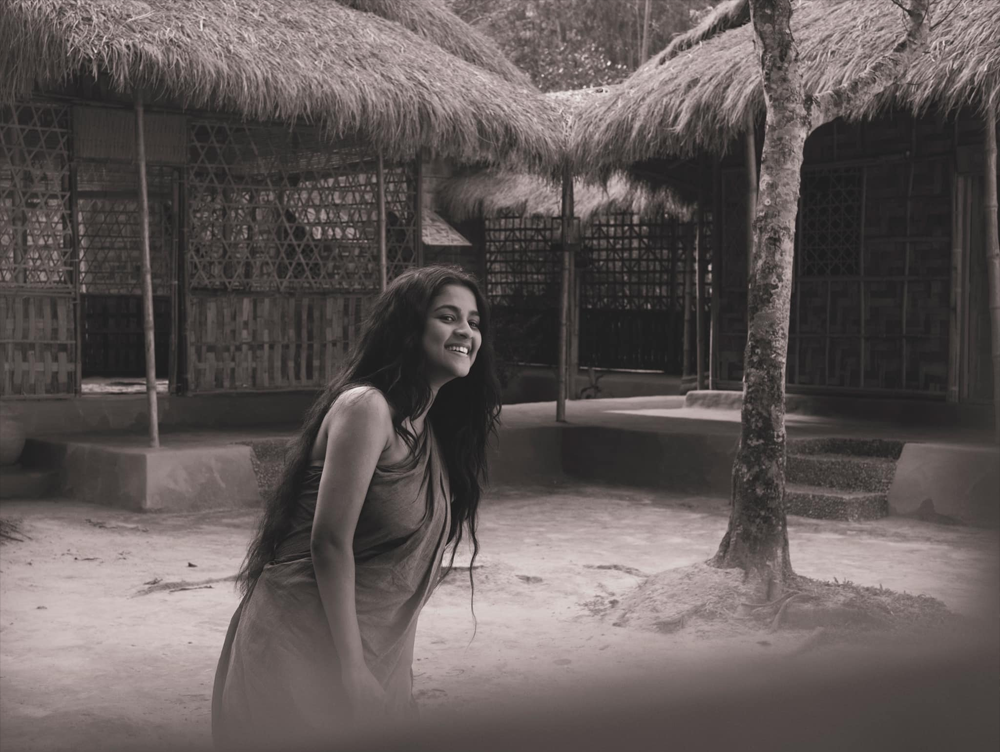
At the centre is Kajolrekha, a young girl whose life is shaped by the decisions of the adults around her. The film follows her journey across twelve years, through trials that test not just her resilience but her sense of self.
It is a story about fate and agency. About what we owe the people we love. And about the kind of quiet strength that rarely gets celebrated but always gets remembered.
The film wove nearly twenty songs directly into the storytelling, sung by characters and narrators alike. The acting style is stylised and theatrical, deliberately so. Selim made a conscious choice to revive a classical narrative tradition and present it not as nostalgia, but as something living and urgent.
It opened across Bangladesh, Canada, and the United States on 11 April 2024 and later received a European premiere at the International Film Festival Rotterdam in 2025. For a film rooted in regional folklore, that kind of reach says something significant.
Iresh Zaker’s Role & Performance
The Character: Sadhu
Iresh Zaker plays Sadhu, a merchant of considerable standing whose weakness for gambling unravels everything he has built.
He is not a villain. He is something more interesting than that.
He is a flawed man who carries genuine love for his family alongside a catastrophic inability to protect them from himself. His arc drives the entire plot:
- His losses set events in motion
- His encounter with a saint and a sacred bird begins the story’s turn toward something larger
- His decisions regarding his daughter Kajolrekha, well-intentioned and deeply misguided at once, shape her fate across the years that follow
It is a role that requires an actor to do something genuinely difficult: make you understand a man without asking you to excuse him.
The Performance
What Iresh Zaker brings to Sadhu is restraint.
In a film where the visual palette is rich and the musical arrangements are expansive, his performance is measured. Considered. He does not reach for emotion. He lets it surface.
The stylised acting framework that Giasuddin Selim built for Kajolrekha is not easy territory. It asks for a specific register, one that communicates feeling through deliberate posture, tone, and movement rather than naturalistic spontaneity.
Iresh navigates this without ever letting the artifice show.
What stands out most is how he handles Sadhu’s moral weight. There are moments where his character’s choices land hard on the audience. Iresh does not soften those moments, nor does he amplify them for effect. He simply holds them.
And that stillness, in those crucial beats, is what makes the character linger.
Within an ensemble that includes strong turns from Sariful Razz, Rafiath Rashid Mithila, and Mondira Chakraborty, Iresh holds his space with the ease of someone who understands exactly what the material needs. No more, no less.
Overall Review & Themes
Kajolrekha is a film that trusts its audience. It does not explain itself at every turn or soften its folklore roots to make them more digestible.
The themes it carries are timeless in the truest sense:
- The tension between fate and human agency runs through every scene
- The question of what a parent owes a child gives the story an emotional dimension that transcends its period setting
- Kajolrekha herself represents a resilience specific to women in folk narratives, but one that resonates far beyond them
The film is not without its flaws. Some critics noted inconsistencies in the production design. The pacing demands patience from audiences accustomed to faster rhythms.
But these are not fatal weaknesses. They are the imperfections of an ambitious film that attempted something genuinely difficult and succeeded in the places that matter most.
The cinematography captures the lush landscape of the Sundarbans with real beauty. The songs are not interruptions to the story. They are the story.
The Verdict
Kajolrekha is the kind of film that reminds you why storytelling exists. Not to entertain in the moment and dissolve, but to carry something forward. A feeling. A question. A face you keep seeing after the screen goes dark.
For Iresh Zaker, this film is worth noting, not because it is a dramatic departure or a career-defining gamble, but because it demonstrates a range and a discipline that deserves recognition.
He stepped into a 400-year-old story, found the human being at the centre of it, and brought him to life with honesty and precision.
In a landscape where Bangladeshi cinema is searching for its next chapter, performances like this one are part of what the answer looks like.