Something Like an Autobiography: A Film That Feels Real
Some films ask you to watch. Some films ask you to feel. And then there are films like Something Like an Autobiography, which quietly ask something harder: to look at your own life and recognize it on screen.
Released on October 8, 2023, on the Chorki streaming platform, this Bengali-language film arrived not with the fanfare of a blockbuster, but with something more enduring. It arrived with honesty. And for an actor like Iresh Zaker, who has spent years proving that he belongs in every kind of story, it was yet another reminder that his range is far from finished.
A Film That Defies Easy Labels
Something Like an Autobiography is not a conventional film, and it was never meant to be. It is the first installment of Chorki’s ambitious Ministry of Love anthology series, a sweeping project that spans 12 individual films, each exploring love from a different angle, a different truth.
This opening film sets the tone for everything that follows in the anthology. It is intimate in scale but expansive in thought. It refuses to be a simple love story or a social commentary piece. It is both, woven together so naturally that the seams are invisible.
What makes it stand apart in the landscape of Bangladeshi cinema is precisely this refusal to fit neatly into a box. It does not preach. It observes. And in that observation, it says more than most films twice its length.
The Story at Its Heart
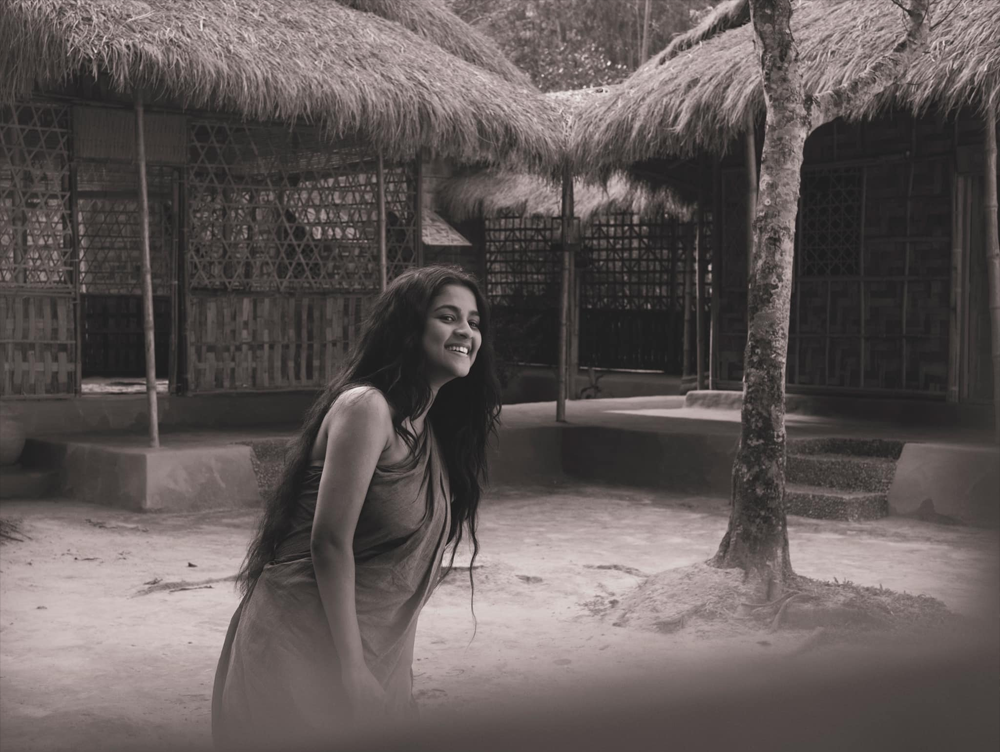
At the center of the film is Farhan and Titi, a director and actress couple living in Dhaka. They have been married for ten years. They are in love. They are also, by the standards of the society around them, doing something quietly radical: living life on their own terms.
In a conservative, patriarchal environment, their choice not to have children has made them the subject of whispers, judgment, and uninvited opinions. The world around them cannot quite understand two people who seem whole without following the prescribed script.
Then the pandemic arrives. Work slows. The world contracts. And in that stillness, Titi decides the time has come. She wants a child. What follows is not just a story about pregnancy or parenthood, but about what it means to choose, to be chosen, and to build something real in a world that constantly tells you what you should want.
Iresh Zaker as Tanvir: Measured, Meaningful, Memorable
In a film this personal, every supporting performance matters. A wrong note can break the spell. Iresh Zaker, playing the character Tanvir, does not break anything. He holds his space with the kind of quiet assurance that comes from an actor who understands the material, not just the lines.
Iresh has always had the ability to make you believe he belongs exactly where he is. Whether playing the cold, calculating Danny in Chuye Dile Mon, a role that won him the National Film Award for Best Performance in a Negative Role in 2015, or stepping into the more grounded, human world of Something Like an Autobiography, he brings the same commitment to truth.
Tanvir is not a showpiece role. It is not built for applause. But it is exactly the kind of role that reveals what an actor is made of when the spotlight is not entirely on them. And Iresh Zaker, as he has proven time and again, is made of something worth watching.
The Faces Behind the Film
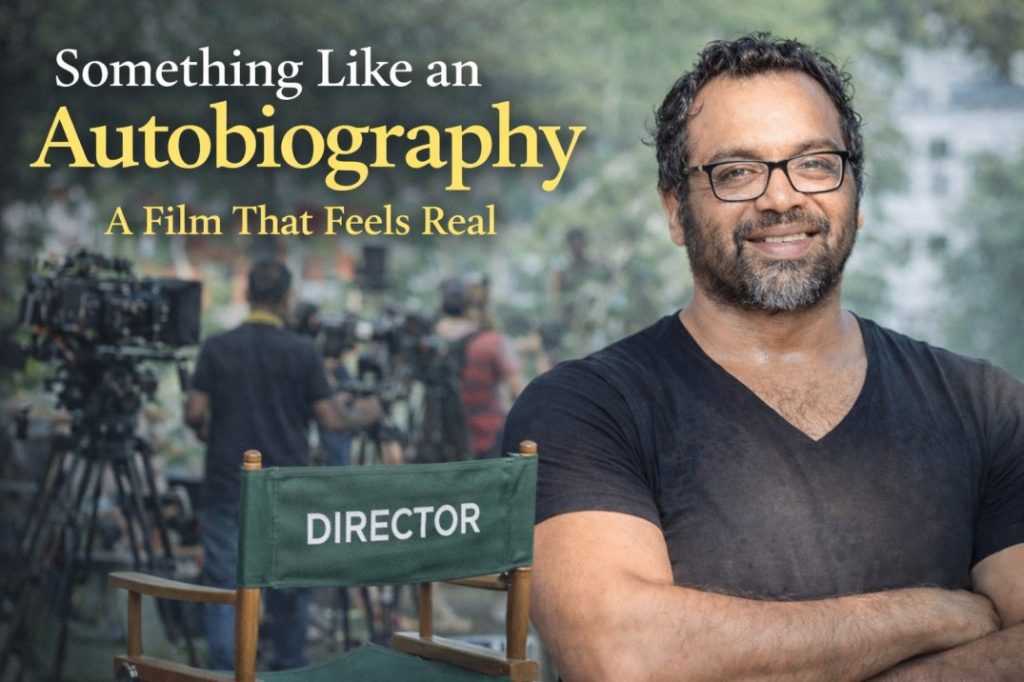
The film is directed by Mostofa Sarwar Farooki, one of Bangladesh’s most celebrated filmmakers, and stars Nusrat Imrose Tisha in the lead role. That the two are married in real life adds another layer of meaning to a film that is, at its core, a love letter.
Farooki has described the film as something he and Tisha created for their newborn daughter. It wears the shape of a diary. It reads like a confession. On the surface, it charts the journey toward a child’s birth. Beneath that surface, it asks questions about identity, freedom, and what love really looks like when society is watching.
Alongside Iresh Zaker, the ensemble includes the legendary Monwar Hossain Dipjol and the beloved Dolly Johur, two presences that anchor the film in the texture of real Bangladeshi life.
Why This Film Matters Now
Something Like an Autobiography arrived at a moment when Bangladeshi cinema was quietly shifting. The rise of OTT platforms like Chorki has opened a new space for stories that would have struggled to find a theatrical audience: stories that are slow, personal, and uncompromising.
As the first film in the Ministry of Love anthology, it carries the weight of setting an expectation. It tells audiences what kind of series this will be. Not escapist. Not loud. But honest, and willing to sit with difficult questions longer than most films dare to.
In that sense, the film is not just a story about one couple in Dhaka. It is a document of a generation navigating the tension between who they are and who they are expected to be. That tension is universal. And that is exactly what makes it worth watching.
A Story Worth Your Time
There is a particular kind of film that does not announce itself. It does not arrive with trailers designed to overwhelm your senses. It simply begins, and before you realize it, you are inside the story, and the story is inside you.
Something Like an Autobiography is that kind of film. It is a story about love and life told by people who have clearly lived both. And in a world where so much cinema asks so little of its audience, that is something worth holding onto.
Iresh Zaker, as always, is right where he belongs.